The 3 End-Goal Bodies: Runner, Bodybuilder or Abs-First Lean?
Every training plan is quietly aiming at one of three bodies. Pick the one you actually want, then train for it on purpose.
 Sara Scott· Editor, Executive Abs · Oct 10, 2026
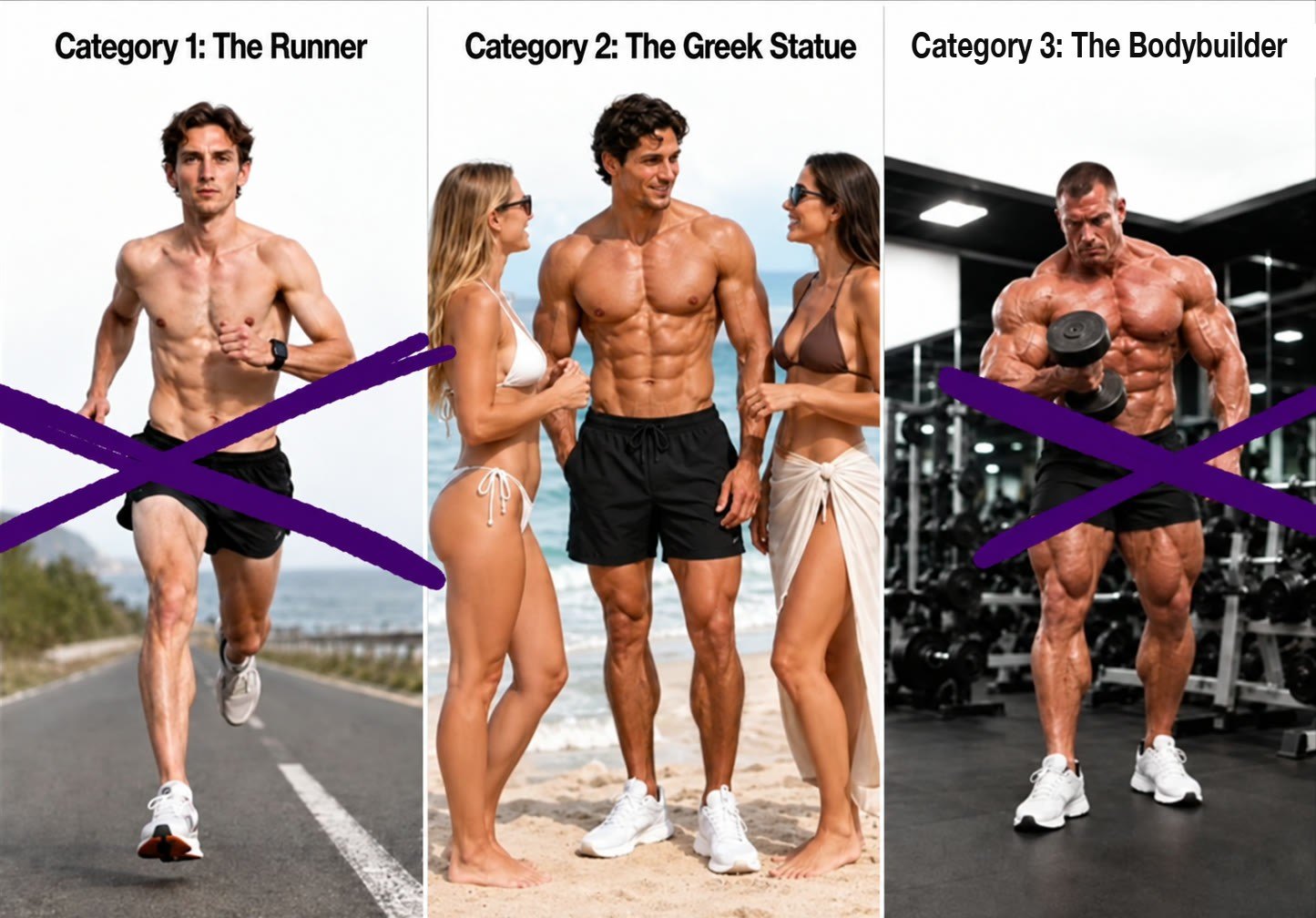
Every training plan is aiming at a body, whether it says so or not. Run five days a week and you’re building one kind of body. Follow a bodybuilding split and you’re building another. Most men never stop to choose. They just follow whatever plan is in front of them and hope it ends up somewhere they like.
There are three broad end goals. Here’s what each one is built for, what the research says about it, and why we think one of them clearly fits a busy man’s life best.
Three end-goal bodies
The runner, the bodybuilder and the abs-first lean physique
Illustration.
1. The Runner
The runner’s body is light, lean and built for distance. Its biggest strength is the heart. A study of more than 55,000 adults found that runners had about a 30% lower risk of death from any cause and a 45% lower risk of cardiovascular death than non-runners. Even small amounts, as little as 5–10 minutes a day, were linked to benefits.1
Running is great for your health. As a physique goal, though, the endurance body tends to carry little muscle, and muscle becomes more valuable every decade. Grip strength alone predicts mortality better than blood pressure,2 and stronger men have about a quarter lower risk of death than the weakest.3 A runner’s frame can also look slight in a suit and doesn’t usually show the defined midsection most men picture when they think "in shape".
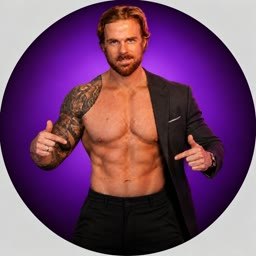
“The goal is never to be a skinny runner type. The goal is never to bench a Volkswagen. The goal is functional strength in the pocket.”Ryan Engel · Founder, Executive Abs
2. The Bodybuilder
The bodybuilder’s body is built for size and judged on a stage. It’s the most demanding of the three: five or six training days a week, bulking and cutting cycles, and a diet organised around the gym. Done well, it produces an extraordinary amount of muscle.
But it’s an extreme, and extremes have costs. At the competitive end of the sport, a 2025 study of more than 20,000 male bodybuilders found that sudden cardiac death was a major cause of death, with professionals at about five times the risk of amateurs.4 Even away from the stage, the look is often not what others prefer: in research, women rated the brawniest builds below moderately muscular ones.5 It’s a body for a stage, not for a boardroom, a beach club and a busy life all at once.
3. The Abs-First Lean
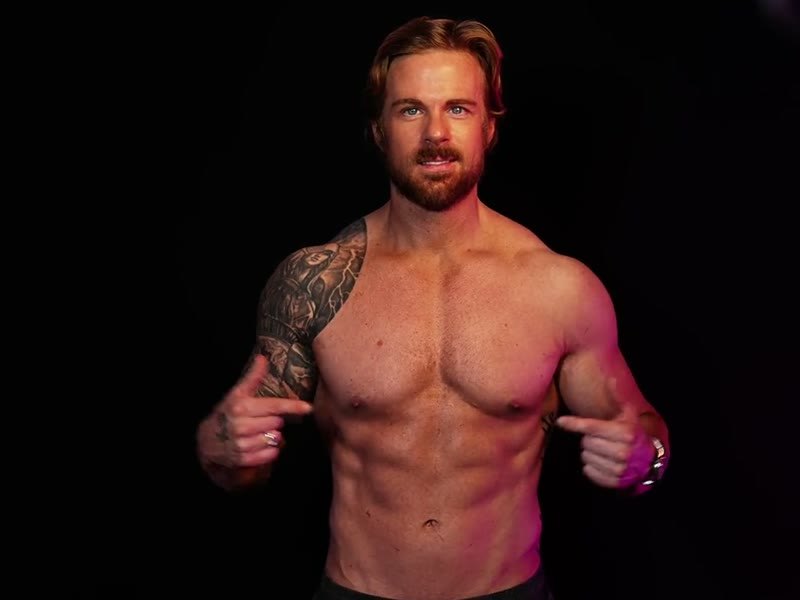
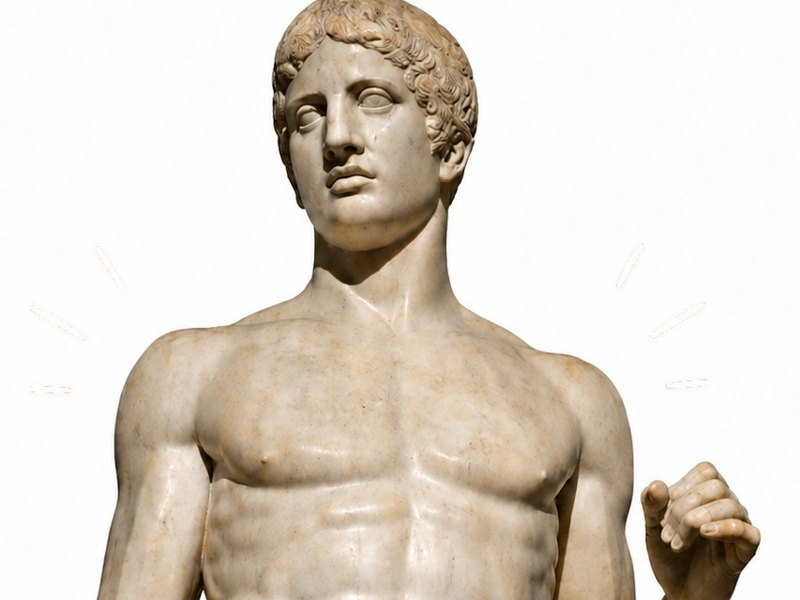
The third body sits between the two and takes the best from each: the runner’s leanness and heart, and the strength and shape that come from lifting, without the size. Lean, defined abs, broad enough shoulders, a narrow waist and the energy to keep going all day. Ryan calls it the Executive Body. Others call it the Hollywood physique.
It’s also the profile the research keeps rewarding:
- Health: people who combine strength and aerobic activity have about a 40% lower risk of death than those who do neither, more than either one alone.6
- Waist: a smaller waist is linked to lower mortality even at the same BMI.7 Visible abs are a clear sign yours is in good shape.
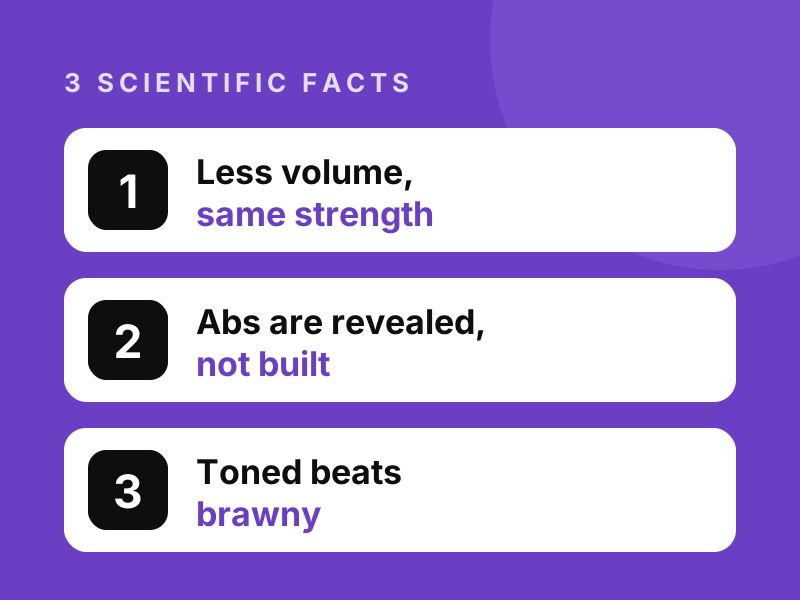
- Attractiveness: women rated moderately muscular builds highest,5 and in another study, how strong a man looked, plus how lean he was, explained around 80% of how attractive his body was rated.8
- Time: it can be built with three to four efficient sessions a week, not six.

The body Hollywood keeps choosing
When filmmakers want a man to look powerful, disciplined and magnetic on screen, they rarely ask for a bodybuilder. They ask for lean.
Christian Bale in American Psycho (2000). Patrick Bateman is defined by vanity and control, and his body had to show it. Director Mary Harron has said she told Bale that Bateman works out, so he should get a gym membership, and that two weeks later he was "totally transformed".9 The result became one of the most referenced physiques in film: lean, sharp and defined, not big.
Brad Pitt in Troy (2004). To play Achilles, a warrior meant to look like a god, Pitt said he started training about six months before filming, ate a high-protein, low-carb diet and gave up smoking.10 His trainer has described the focus as back and arms rather than a big chest, adding that Pitt never had a problem leaning out.11 The look was strong and athletic, with visible abs, not bulk.
Daniel Craig in Casino Royale (2006). Craig’s trainer has said the goal for his Bond was "functioning muscle" for sprinting, climbing and fighting, not a showpiece.12
When filmmakers want a man to look powerful and magnetic on screen, they ask for lean.
Those were full-time film preparations with professional trainers and chefs, so their exact routines don’t translate to an executive’s week. The target does. The leading-man physique is lean, proportioned and defined, and it’s the same body that suits a busy man in real life.
How the three compare
| The Runner | The Bodybuilder | Abs-First Lean | |
|---|---|---|---|
| Heart and endurance | Excellent | Often secondary to size | Strong; aerobic work is built in |
| Strength | Lower | Very high | High, and kept for decades |
| Visible abs | Sometimes, with little definition | On stage; less so when bulking | Year-round: it’s the goal |
| In a suit | Can look slight | Hard to tailor | Looks sharp |
| Attractiveness research | Leanness helps; strength cues matter most | Brawniest builds rated lower | Moderate muscle rated highest |
| Weekly time | Moderate to high | 5–6 sessions | 3–4 sessions, max |
Summary of the research cited in this article.
Choose on purpose
All three bodies are achievable, and each suits a certain kind of person. But if you want to look good in a suit and on the beach, keep your health markers where they should be and still have time to run your life, the choice is fairly clear.
Pick the abs-first lean body. Then make sure your plan is actually aiming at it.
One-to-one coaching built around your calendar, your travel and your starting point. Three to four sessions a week, max. For busy executives, founders and CEOs only.
See the method →References
- Lee DC, et al. Leisure-time running reduces all-cause and cardiovascular mortality risk. J Am Coll Cardiol. 2014;64:472–81. pubmed.ncbi.nlm.nih.gov/25082581
- Leong DP, et al. Prognostic value of grip strength: findings from the PURE study. Lancet. 2015;386:266–73. doi.org/10.1016/S0140-6736(14)62000-6
- Ruiz JR, et al. Association between muscular strength and mortality in men: prospective cohort study. BMJ. 2008;337:a439. pubmed.ncbi.nlm.nih.gov/18595904
- Vecchiato M, et al. Mortality in male bodybuilding athletes. Eur Heart J. 2025;46:3006–16. pubmed.ncbi.nlm.nih.gov/40393525
- Frederick DA, Haselton MG. Why is muscularity sexy? Tests of the fitness indicator hypothesis. Pers Soc Psychol Bull. 2007;33:1167–83. doi.org/10.1177/0146167207303022
- Zhao M, et al. Recommended physical activity and all cause and cause specific mortality in US adults. BMJ. 2020;370:m2031. pubmed.ncbi.nlm.nih.gov/32611588
- Pischon T, et al. General and abdominal adiposity and risk of death in Europe. N Engl J Med. 2008;359:2105–20. pubmed.ncbi.nlm.nih.gov/19005195
- Sell A, Lukaszewski AW, Townsley M. Cues of upper body strength account for most of the variance in men’s bodily attractiveness. Proc R Soc B. 2017;284:20171819. pmc.ncbi.nlm.nih.gov/articles/PMC5745404
- Vulture. Mary Harron on American Psycho, 2020. vulture.com
- Windy City Times. Manly pursuits: Brad Pitt in Troy, 2004. windycitytimes.com
- Men’s Health Australia. Brad Pitt’s Troy workout. menshealth.com.au
- InsideHook. How Daniel Craig survived playing James Bond. insidehook.com
This article is for general information and is not medical advice. Speak to your doctor before making major changes to diet or training. Observational studies show associations, not proof of cause.